MEER KOPEN, MEER BESPAREN! TOT 15% KORTING AAN DE KASSA


Uitgelichte producten


LOW PRICE
36% OFF
Sungboon Editor
[Toy Story Edition] Kojic Acid Niacinamide Brightening Ampoule (+Random Sticker) (40ml)
Regular price
€43,95
Sale price
€27,95
UP TO 15% OFF AT CHECKOUT


BEST
40% OFF

BEST
25% OFF
Celimax
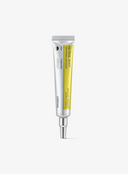
The VITA-A Retinal Shot Tightening Booster (15ml)
Regular price
€23,95
Sale price
€17,95
UP TO 15% OFF AT CHECKOUT


47% OFF
HEIMISH
Dailism Peptide Enhancing Lash Serum (9g)
Regular price
€16,95
Sale price
€8,95
UP TO 15% OFF AT CHECKOUT

⚡TIME DEAL⚡
38% OFF
Skin1004
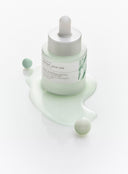
Madagascar Centella Azelaic Acid 10 Ampoule (30ml)
Regular price
€23,95
Sale price
€14,95
LIMITED TIME DEAL + UP TO 15% OFF AT CHECKOUT


BEST
35% OFF
Beauty of Joseon
Revive Eye Serum : Ginseng + Retinal (30ml)
Regular price
€16,95
Sale price
€10,95
UP TO 15% OFF AT CHECKOUT


37% OFF
Skin1004
Madagascar Centella Ampoule (55ml)
Regular price
€18,95
Sale price
€11,95
UP TO 15% OFF AT CHECKOUT


BEST
25% OFF
Skin1004
Madagascar Centella Tone Brightening Capsule Ampoule (100ml)
Regular price
€23,95
Sale price
€17,95
UP TO 15% OFF AT CHECKOUT


AHA vs BHA vs PHA: Which Exfoliant Is Right for You?
Quick answer: AHAs (glycolic, lactic acid) work on the skin's surface to brighten and smooth texture, BHA (salicylic acid) goes into pores to clear oil and breakouts, and PHA is the gentlest option for sensitive or exfoliant-shy skin that still wants glow without the sting. If you're new to chemical exfoliation, start with PHA or a low-strength AHA and build tolerance from there.
All three are "acids," but they don't behave the same way on skin. Picking the wrong one — or layering them carelessly — is one of the fastest ways to end up with a compromised barrier, redness, and sun sensitivity. Here's how to tell them apart and choose with confidence.
What Are Chemical Exfoliants, Really?
Chemical exfoliants dissolve the "glue" holding dead skin cells together so they shed more evenly than with a scrub. Used correctly, they can fade dullness, soften fine lines, unclog pores, and help serums and moisturizers absorb better. Used incorrectly (too often, too strong, stacked with retinol or other actives), they can strip the moisture barrier and leave skin reactive.
AHA (Alpha Hydroxy Acid): Surface Brightening
AHAs — glycolic acid, lactic acid, mandelic acid — are water-soluble and work mainly on the skin's surface. Glycolic acid has the smallest molecule size, so it penetrates fastest and is the most potent of the group. Lactic acid is gentler and adds hydration as it exfoliates, while mandelic acid is the mildest AHA, often recommended for melanin-rich or sensitive skin.
Best for: Dullness, uneven tone, rough texture, sun damage, and mild fine lines on skin that isn't reactive.
BHA (Beta Hydroxy Acid): Pore-Deep Clearing
Salicylic acid is the main BHA used in skincare. Unlike AHAs, it's oil-soluble, which means it can travel into the pore lining to dissolve excess sebum and dead cell buildup. That makes it the go-to for blackheads, congestion, and breakout-prone skin. It also has mild anti-inflammatory properties, so it tends to calm existing blemishes rather than aggravate them. For a deeper dive into how it works and why it doesn't have to sting, see our guide to BHA 101: salicylic acid without the sting.
Best for: Oily, combination, and acne-prone skin dealing with clogged pores, blackheads, and texture from breakouts.
PHA (Polyhydroxy Acid): The Gentle Entry Point
PHAs — gluconolactone and lactobionic acid are the most common — have larger molecules than AHAs and BHA, so they exfoliate more slowly and stay closer to the surface. This means less irritation, less sun sensitivity, and often an added humectant benefit since PHAs can bind water to the skin. They're a smart starting point for beginners, rosacea-prone skin, or anyone recovering from a compromised barrier.
Best for: Sensitive, reactive, or exfoliant-beginner skin, and anyone layering multiple actives who needs a lower-irritation option.
At a Glance: AHA vs BHA vs PHA
How to Choose Based on Your Skin
If your main concern is dullness or tone
Reach for an AHA. Glycolic acid gives the most visible brightening, but if you're new or have some sensitivity, start with a lactic or mandelic formula instead.
If your main concern is breakouts or oiliness
BHA is your match. Because it's oil-soluble, it clears the pore from the inside rather than just polishing the surface.
If your skin is sensitive, dry, or new to actives
Start with PHA. It gives you the smoothing benefits of exfoliation without the redness or peeling that can come with a first-time AHA or BHA.
Prepping and Supporting Your Skin Around Exfoliation
Chemical exfoliants work best on a clean, well-supported canvas. A gentle, low-pH cleanser like the Green Plum Refreshing Cleanser removes buildup without disrupting your barrier before you apply any acid. Browse more gentle options in our cleansers collection.
After exfoliating, skin can be temporarily more reactive, so soothing is key. The Pure Fit Cica Calming True Sheet Mask is a good rescue step on nights when skin feels tight or flushed, and the Cica PDRN Shield Lifting Film Serum helps reinforce the barrier while you build tolerance to a new acid. You'll find more calming and repair formulas in our Cosrx collection and the wider serum treatments collection.
Chemical exfoliation also increases sun sensitivity, no matter which acid you use, so daily SPF isn't optional — the Relief Sun: Rice + Probiotics from Beauty of Joseon is a lightweight, skin-friendly way to cover that step every morning.
Layering Exfoliants With Other Actives
One of the biggest mistakes is stacking an AHA or BHA on the same night as retinol — both increase cell turnover, and combined they can overwhelm the barrier. If you're using the The Retinol 0.1 Cream, save your acid exfoliant for a separate night, or alternate them. For those who want retinol-like benefits with less irritation risk alongside a PHA or mild AHA, the Bakuchiol Plumping Serum is a gentler plant-derived alternative that pairs more comfortably.
For a full walkthrough on the order actives should go on and how to avoid over-layering, check our guide on how to layer skincare to maximize your routine.
A Simple Rule of Thumb
Start low and slow: 2–3 nights a week for any new exfoliant, always followed by hydration and SPF the next morning. If your skin tolerates it well after a few weeks, you can gradually increase frequency. If you notice persistent redness, stinging, or flaking, step back to a gentler option like PHA and rebuild your barrier before trying something stronger again.
FAQ
Dat kan, maar niet per se op dezelfde avond of in hetzelfde product. Veel mensen wisselen af — bijvoorbeeld BHA een paar avonden per week voor de poriën en PHA op andere avonden voor een milde verzorging — in plaats van alle drie tegelijk te gebruiken, wat de kans op irritatie vergroot.
PHA wordt over het algemeen gezien als de meest beginnersvriendelijke optie, omdat de grotere molecuulstructuur zorgt voor een langzamere, zachtere exfoliatie met minder risico op uitdroging van de huid, terwijl je nog aan het ontdekken bent hoe jouw huid reageert.
Ja. PHA is weliswaar milder dan AHA of BHA, maar elke vorm van exfoliatie kan de huid gevoeliger maken voor UV-invloeden. Daarom blijft een dagelijkse SPF belangrijk, ongeacht welk zuur je gebruikt.
Het is het beste om een sterke AHA of BHA niet in dezelfde avondroutine te combineren met retinol, aangezien beide de huidvernieuwing stimuleren en samen irritatie in de hand kunnen werken. Wissel de avonden af, of kies voor een milder retinolalternatief zoals bakuchiol als je beide soorten actieve ingrediënten vaker wilt gebruiken.
De meeste mensen beginnen goed met 2 tot 3 keer per week en passen dit daarna aan op basis van hoe hun huid erop reageert. Merk je aanhoudende roodheid, een strak gevoel of een ruwe, gevoelige huid in plaats van een zachtere huid? Dan is dat een teken dat je het wat rustiger aan mag doen.
Hyerin has always loved shopping—fashion, beauty, and pretty much anything worth adding to cart. Since starting Baerry, that habit has turned into testing dozens of new beauty products that land on the team’s desks in Seoul, plus plenty she buys herself. An ISTJ with a very high bar for what makes the cut, she treats her own face as the testing ground before recommending anything.