KUPUJ WIĘCEJ, OSZCZĘDZAJ WIĘCEJ! DO 15% ZNIŻKI PRZY KASIE


Polecane produkty


BEST
Award Winner
37% OFF
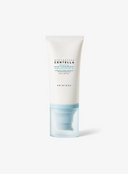
Skin1004
Madagascar Centella Ampoule Foam (125ml)
Regular price
75,00 zł
Sale price
47,00 zł
UP TO 15% OFF AT CHECKOUT

BEST
20% OFF
Skin1004
Madagascar Centella Hyalu-Cica Water-Fit Sun Serum SPF50+ PA++++ (50ml)
Regular price
79,00 zł
Sale price
63,00 zł
UP TO 15% OFF AT CHECKOUT


BEST
Award Winner
43% OFF
Skin1004
Madagascar Centella Light Cleansing Oil (200ml)
Regular price
92,00 zł
Sale price
52,00 zł
UP TO 15% OFF AT CHECKOUT

⚡TIME DEAL⚡
39% OFF
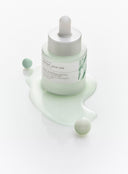
Skin1004
Madagascar Centella Azelaic Acid 10 Ampoule (30ml)
Regular price
100,00 zł
Sale price
61,00 zł
LIMITED TIME DEAL + UP TO 15% OFF AT CHECKOUT


BEST
54% OFF
Skin1004
Madagascar Centella Poremizing Deep Cleansing Foam (125ml)
Regular price
83,00 zł
Sale price
38,00 zł
UP TO 15% OFF AT CHECKOUT


Skin1004
Madagascar Centella Ampoule (100ml)
Regular price
92,00 zł
Sale price
84,00 zł
UP TO 15% OFF AT CHECKOUT


BEST
26% OFF
Skin1004
Madagascar Centella Tone Brightening Capsule Ampoule (100ml)
Regular price
100,00 zł
Sale price
74,00 zł
UP TO 15% OFF AT CHECKOUT


BEST
37% OFF
Skin1004
Madagascar Centella Poremizing Quick Clay Stick Mask (27g)
Regular price
87,00 zł
Sale price
55,00 zł
UP TO 15% OFF AT CHECKOUT


Centella vs Cica vs Madecassoside: What's the Difference?
Scroll through any K-beauty label and you'll spot the same soothing words in a slightly different order every time: centella, cica, madecassoside, tiger grass. Are they the same thing wearing different outfits, or genuinely different ingredients? Quick answer: centella asiatica is the plant, cica is its nickname, and madecassoside is one specific active compound extracted from it — so most "cica" and "centella" products actually contain madecassoside, just in different concentrations. Once you know the hierarchy, shopping for calming skincare gets a lot less confusing.
The Family Tree: One Plant, Many Names
Think of it like coffee, espresso, and caffeine. Coffee is the plant-derived source, espresso is a marketing-friendly way of describing a concentrated preparation, and caffeine is the specific active molecule doing the work. Skincare labels do the exact same thing with centella asiatica.
Centella Asiatica
This is the actual plant — a small, leafy herb also called tiger grass or gotu kola, traditionally used across Asia for wound healing and skin recovery. When a product lists "Centella Asiatica Extract" or "Centella Asiatica Leaf Water" high on the ingredient list, it's using the whole-plant extract, which contains a cocktail of beneficial compounds (not just one).
Cica
"Cica" isn't a separate ingredient at all — it's shorthand derived from "cicatrisant," the French term for healing/scarring agents. Brands use "cica" as a friendlier, punchier marketing label for anything centella-based. So a "Cica Cream" and a "Centella Cream" are very likely the same category of product, just named differently for shelf appeal.
Madecassoside (and Its Siblings)
This is where things get scientific. Centella asiatica naturally contains a group of active compounds called triterpenoids — the main four being madecassoside, asiaticoside, madecassic acid, and asiatic acid. Madecassoside specifically is prized for its anti-inflammatory and barrier-repair properties, which is why brighter formulas will call it out by name and even list a percentage. If you see "madecassoside" on a label, it usually means the brand has isolated or concentrated this specific compound rather than relying on the diluted whole-leaf extract alone.
At a Glance: Centella vs Cica vs Madecassoside
When to Reach for Each One
Everyday Redness and Sensitivity → Whole Centella Extract
If your skin is just generally reactive — a little tight after cleansing, prone to flushing with weather changes — you don't necessarily need an isolated compound. A well-formulated whole-leaf centella product delivers a broad blend of soothing agents. The Madagascar Centella Ampoule (100ml) uses Madagascar-grown centella (known for higher active content) as a lightweight, hydrating daily layer that calms without feeling heavy — a great entry point if you're new to the ingredient.
Active Flare-Ups and Post-Retinol Recovery → Madecassoside-Forward Formulas
When skin is visibly irritated — post-exfoliation, post-sun, or mid-breakout — you want a formula that leans on concentrated actives rather than a light touch. The Madagascar Centella Probio-Cica Enrich Cream (50ml) combines centella with probiotic-fermented ingredients for a richer barrier-repair moisturizer, ideal for compromised or over-exfoliated skin. Pairing it with the Madagascar Centella Retinol 0.2 Boosting Shot Ampoule (30ml) is a smart way to introduce retinol without the usual sting, since the centella is doing damage control in real time.
Quick Reset After Breakouts or Procedures → Cica Pads and Toners
For fast, no-fuss soothing, pre-soaked pads are hard to beat. The Madagascar Centella Quick Calming Pad (130ml / 70pads) is designed for exactly this — a swipe-and-go option after a breakout, a facial, or a long flight. If you want the same category from a different lab, Anua's Heartleaf 77% Clear Pad (70ea) uses heartleaf (houttuynia cordata) instead of centella — a cousin soother worth trying if centella alone hasn't fully calmed your skin. You can browse the full lineup in the Anua collection.
Building a Full Centella Routine
For shoppers who want to go all-in on this ingredient family, layering multiple centella textures actually compounds the benefit rather than being redundant. Start with the Madagascar Centella Ampoule Foam (125ml) as a gentle, non-stripping cleanser, follow with the Madagascar Centella Probio-Cica Essence Toner (210ml) to prep skin, then seal with an ampoule or cream depending on how much repair your skin needs that day. The Skin1004 collection is essentially a masterclass in centella formulating at every step of a routine, since it's one of the brands built almost entirely around this plant.
Don't Forget the Eye Area
Thin under-eye skin gets irritated easily too, especially from screen strain or sleep debt. The Madagascar Centella Probio-Cica Bakuchiol Eye Cream (20ml) pairs centella's calming profile with bakuchiol, a gentler retinol alternative, so it can double as a mild firming step without upsetting delicate skin.
Cica Isn't the Only Soother — How It Compares to Other Calming Ingredients
Centella tends to dominate the "soothing" conversation, but it's not the only option worth knowing. Heartleaf (as mentioned above) is a strong alternative or complement, especially for oilier or acne-prone skin, since it also has mild antibacterial properties — the Heartleaf 70% Daily Relief Lotion (200ml) is a good lightweight layer for this. Meanwhile, PDRN (found in the PDRN Pink Peptide Serum (30ml)) works on repair from a different angle — cellular regeneration rather than anti-inflammatory action — so it layers well with centella rather than competing with it. If you're building out a treatment-focused routine, the serum & treatments collection is a good place to compare textures and actives side by side.
How to Read a Label Like a Pro
Next time you're comparing two "cica" products, check the actual ingredient list rather than the product name. Look for:
FAQ
Niezupełnie — cica to marketingowe uproszczenie oznaczające produkty z wąkrotką azjatycką (centella asiatica), a nie osobny składnik. Kiedy widzisz na opakowaniu 'cica', niemal zawsze oznacza to, że produkt zawiera ekstrakt z wąkrotki azjatyckiej lub jeden z jej aktywnych związków, np. madecassoside.
Madecassoside to skoncentrowany, wyizolowany składnik aktywny pochodzący z wąkrotki azjatyckiej, dlatego w przeliczeniu na gram zwykle działa intensywniej kojąco i wspiera barierę ochronną skóry niż rozcieńczony ekstrakt z całego liścia. Z kolei pełny ekstrakt oferuje szerszy zakres wspierających składników, więc to, co będzie „mocniejsze”, zależy od twojego celu pielęgnacyjnego.
Tak — produkty na bazie wąkrotki azjatyckiej (cica) są zazwyczaj na tyle delikatne, że możesz stosować je codziennie w swojej rutynie pielęgnacyjnej, również przy skórze wrażliwej czy reaktywnej, ponieważ ten roślinny składnik jest zwykle dobrze przyjmowany przez skórę.
Oba składniki sprawdzają się dobrze, ale heartleaf ma lekką przewagę przy skórze tłustej i skłonnej do niedoskonałości dzięki swoim łagodzącym właściwościom, podczas gdy wąkrotka azjatycka (centella) często lepiej sprawdza się przy zaczerwienieniach i wspieraniu bariery ochronnej skóry. W wielu rutynach pielęgnacyjnych stosuje się oba te składniki.
Do codziennej pielęgnacji zwykle wystarczy dobrze dobrany krem z wąkrotką azjatycką. Po formułę z madekassozydem sięgaj zwłaszcza w momentach, gdy skóra jest podrażniona, po stosowaniu aktywnych składników złuszczających, takich jak retinol, lub po zabiegach, kiedy skóra potrzebuje intensywniejszej, kojącej pielęgnacji.
Hyerin has always loved shopping—fashion, beauty, and pretty much anything worth adding to cart. Since starting Baerry, that habit has turned into testing dozens of new beauty products that land on the team’s desks in Seoul, plus plenty she buys herself. An ISTJ with a very high bar for what makes the cut, she treats her own face as the testing ground before recommending anything.