BUY MORE, SAVE MORE! UP TO 15% OFF AT CHECKOUT


Featured Products

BEST
32% OFF


BEST
Award Winner
36% OFF
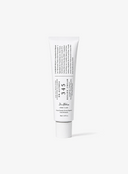
Aestura
Atobarrier 365 Cream (80ml)
Regular price
$44.00
Sale price
$27.99
UP TO 15% OFF AT CHECKOUT


NEW
47% OFF
Anua
Collagen Retinol Refining Gua Sha Cream (80ml)
Regular price
$49.35
Sale price
$26.10
UP TO 15% OFF AT CHECKOUT


BAERRY PICK
10% OFF

BAERRY PICK
31% OFF
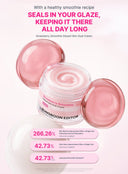
Sungboon Editor
Strawberry Smoothie Glazed Skin Dual Cream (55g)
Regular price
$42.00
Sale price
$29.00
UP TO 15% OFF AT CHECKOUT

NEW
44% OFF
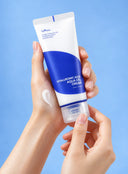
ISNTREE
Hyaluronic Acid Aqua Gel Cream (100ml)
Regular price
$22.20
Sale price
$12.49
UP TO 15% OFF AT CHECKOUT

BAERRY PICK
10% OFF
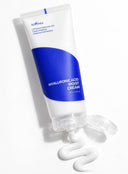
ISNTREE
Hyaluronic Acid Moist Cream (100ml)
Regular price
$22.20
Sale price
$19.98
UP TO 15% OFF AT CHECKOUT

NEW
43% OFF
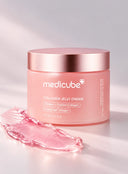
Medicube
Collagen Jelly Cream (110ml)
Regular price
$39.00
Sale price
$22.40
UP TO 15% OFF AT CHECKOUT


Ceramides & the Skin Barrier: The K-Beauty Guide to Resilient Skin
If your skin feels tight, flaky, or randomly stings when you apply products that never used to bother you, your moisture barrier is probably asking for help. Quick answer: ceramides are lipid molecules naturally found in your skin's outer layer that hold cells together and lock in moisture — applying ceramide-rich creams helps rebuild a damaged barrier, reduce sensitivity, and restore lasting hydration. Here's how they work, how to know if you need them, and which in-stock Baerry creams actually deliver.
What Is the Skin Barrier, Really?
Your skin barrier — also called the stratum corneum — is the outermost layer of skin. Think of it like a brick wall: skin cells are the "bricks," and lipids (ceramides, cholesterol, and fatty acids) are the "mortar" holding everything together. This structure does two critical jobs: it keeps water inside your skin, and it keeps irritants, pollution, and bacteria out.
When that mortar breaks down — from over-exfoliation, harsh cleansers, weather, retinoids, or just aging — water escapes faster than your skin can replace it, and outside irritants get in more easily. That's barrier damage, and it's the root cause behind a lot of skin complaints that seem unrelated at first glance.
Signs Your Skin Barrier Is Damaged
Barrier damage doesn't always look dramatic. Watch for these signals:
If two or more of these sound familiar, it's time to pause actives (retinoids, acids, strong vitamin C) and focus on repair.
How Ceramides Help Repair the Barrier
Ceramides make up roughly half of the lipids in the stratum corneum, so replenishing them directly addresses the gap left by barrier damage. Applying ceramide-based moisturizers:
Ceramides work best alongside complementary ingredients like cholesterol, fatty acids, hyaluronic acid, and centella asiatica — which is why most effective barrier creams are formulated as blends rather than single-ingredient products.
Ceramides vs. Other Barrier-Supporting Ingredients
Ceramides often get grouped with other "soothing" ingredients, but they each play a slightly different role. Here's an at-a-glance comparison:
The best barrier routines combine several of these rather than relying on one ingredient alone.
How to Layer Ceramides Into Your Routine
Barrier repair is less about adding more steps and more about simplifying what you already do. A good rebuilding routine looks like this:
1. Cleanse gently
Skip anything foaming or stripping while your barrier heals. A low-pH, hydrating cleanser is enough.
2. Hydrate with a lightweight serum
The DIVE IN Low Molecular Hyaluronic Acid Serum uses small-molecule HA to hydrate multiple skin layers before your cream goes on — a good first layer for thirsty, barrier-stressed skin.
3. Seal with a ceramide-rich moisturizer
This is the step that matters most. Choose a cream formulated to reinforce the lipid barrier rather than just sit on top of skin.
4. Don't skip lips
Lips have an even thinner barrier than facial skin and dry out fast. The SOLID IN Ceramide Lip Essence delivers ceramides directly where lips need reinforcement most, especially during dry seasons.
5. Protect with SPF
A damaged barrier is more vulnerable to UV stress, so don't skip sun protection even while healing. The Balanceful Cica Tone-up Sun Cream pairs centella with SPF coverage, which is gentler on already-irritated skin than harsher chemical sunscreens.
For a full breakdown of step order and how to avoid over-layering, see our guide on how to layer skincare to maximize your routine.
Barrier-Friendly Creams Worth Trying
Not every moisturizer is built for repair — texture and ingredient blend matter. These in-stock options are solid picks depending on your skin's needs:
Browse our full moisturizers collection for more barrier-supporting creams, or explore Torriden's hydration-focused lineup if lightweight, layerable textures are your priority.
When to Reintroduce Actives
Once flaking, stinging, and tightness have resolved — usually within one to two weeks of consistent barrier care — you can slowly bring back actives. Reintroduce one at a time, starting with the gentlest:
If you're rebuilding toward an anti-aging routine, our anti-aging collection includes gentler retinol formats like the Deep Collagen Retinol Power Boosting Capsule Cream, which pairs retinol with barrier-supportive ingredients so you're not reversing your repair work as you reintroduce actives. For the eye area specifically, the SEOUL 1988 Retinal Liposome Eye Cream is formulated at a lower concentration suited to thinner skin, and the Madagascar Centella Probio-Cica Bakuchiol Eye Cream offers a plant-derived alternative that's typically gentler for sensitized under-eyes.
The Takeaway
A healthy skin barrier is the foundation everything else is built on — actives, glow, even makeup wear all perform better when your barrier is intact. Ceramides won't fix everything overnight, but consistent use of ceramide-rich, barrier-supportive creams is one of the most reliable ways to calm sensitivity and keep skin resilient long-term.
FAQ
Most people notice improvement within one to two weeks of consistent, gentle care, though more severe damage can take three to four weeks to fully resolve.
Yes — ceramide creams pair well with actives and can actually reduce the irritation that retinol or vitamin C sometimes causes when applied as the final layer.
Yes. A weak barrier can worsen oiliness and breakouts, so lightweight ceramide formulas can help balance oily skin rather than making it greasier.
Hyaluronic acid draws water into the skin, while ceramides reinforce the lipid structure that keeps that water from escaping — they work best together.
Look for ceramides listed within the first half of the ingredient list, ideally alongside cholesterol and fatty acids, which mimic the skin's natural lipid ratio for better absorption.
Hyerin has always loved shopping—fashion, beauty, and pretty much anything worth adding to cart. Since starting Baerry, that habit has turned into testing dozens of new beauty products that land on the team’s desks in Seoul, plus plenty she buys herself. An ISTJ with a very high bar for what makes the cut, she treats her own face as the testing ground before recommending anything.