¡COMPRA MÁS, AHORRA MÁS! HASTA 15% DE DESCUENTO AL PAGAR


Productos destacados


LOW PRICE
Award Winner
20% OFF
Numbuzin
No.5 Vitamin Spotlight Sheet Mask (1ea / 27ml)
Regular price
$3.00
Sale price
$2.40
UP TO 15% OFF AT CHECKOUT


20% OFF
Numbuzin
No.5 Vitamin Concentrated Serum (30ml)
Regular price
$26.00
Sale price
$20.80
UP TO 15% OFF AT CHECKOUT


32% OFF
SOME BY MI
V10 Hyal Lip Sun Protector (7ml)
Regular price
$12.20
Sale price
$8.32
UP TO 15% OFF AT CHECKOUT


BEST
30% OFF
CosDeBAHA
Vitamin C 15% Arbutin 2% B5 Hyaluronic Acid Serum 30ml (VA)
Regular price
$14.47
Sale price
$10.13
UP TO 15% OFF AT CHECKOUT


17% OFF
Beauty of Joseon
Glow Serum : Propolis + Niacinamide (30ml)
Regular price
$17.00
Sale price
$14.10
UP TO 15% OFF AT CHECKOUT
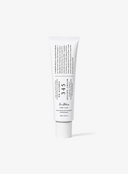

BEST
31% OFF
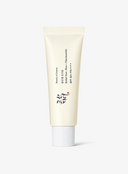
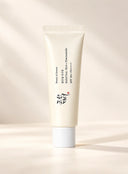
BEST
36% OFF
Beauty of Joseon
Relief Sun : Rice + Niacinamide (50ml)
Regular price
$18.00
Sale price
$11.58
UP TO 15% OFF AT CHECKOUT


30% OFF
CosDeBAHA
Vitamin C 5% MSM 1% Ferulic Acid Vitamin E Hyaluronic Acid Serum 30ml (VM)
Regular price
$15.39
Sale price
$10.77
UP TO 15% OFF AT CHECKOUT


Vitamin C for K-Beauty Skin: What It Does and Why You Apply It Every Morning
TL;DR: Vitamin C is the antioxidant Korean dermatologists tell patients to apply every single morning, not as a trend but as daily maintenance. It brightens dark spots, evens tone, supports collagen, and most importantly acts as a daytime shield that neutralizes the UV and pollution damage sunscreen alone cannot catch. This guide explains exactly what vitamin C does, why morning application matters, how to layer it with your other products and prescriptions, whether it needs refrigerating, and the Korean vitamin C products to build your routine around.
Vitamin C is one of the few skincare ingredients that dermatologists across Korea recommend almost universally: apply an antioxidant every morning, under your sunscreen, for life. In Korean skin clinics it is framed less as a "glow hack" and more as basic daily upkeep, the same way you would wear SPF without thinking about it. What is distinctly Korean is how people go about it: gentle, layerable vitamin C used in light steps every day, rather than one high strength hit a few times a week. Here is the full picture, and how to do it yourself.
What Vitamin C Actually Does for Your Skin
Vitamin C works on three fronts, all backed by dermatology research:
1. It is a powerful antioxidant. Every day, UV light and pollution generate unstable molecules called free radicals inside your skin. Left unchecked, these break down collagen and trigger dullness, dark spots, and premature aging. Vitamin C neutralizes free radicals before they can do that damage, which is the single most important thing it does, and the reason timing matters (more below).
2. It brightens and fades dark spots. Vitamin C interrupts tyrosinase, the enzyme your skin uses to make melanin. Less excess melanin means marks left by past breakouts, sun spots, and general unevenness gradually fade, and overall tone looks clearer and more luminous.
3. It supports collagen. Vitamin C is a required cofactor your body uses to build collagen, the protein that keeps skin firm and smooth. Consistent use helps soften the look of fine lines over time.
Why You Apply Vitamin C in the Morning: Your Daytime Shield
Here is the part Korean dermatologists emphasize most. Sunscreen is brilliant at what it does. It blocks and filters UV rays before they enter the skin. But no sunscreen catches 100% of them, and it does little against the free radicals that pollution and residual UV still generate throughout the day. That is the gap vitamin C fills.
Think of it as two defenses working together. Sunscreen is the shield that blocks rays at the surface, and vitamin C is the antioxidant that mops up the damage that gets through. Research shows that vitamin C layered under sunscreen, especially alongside vitamin E and ferulic acid, measurably increases photoprotection compared to sunscreen alone. To be clear: vitamin C is not a sunscreen and has no SPF. It does not replace SPF; it makes your SPF work harder. That is why the order is vitamin C first, sunscreen last, every morning.
Why Daytime Beats Nighttime for Vitamin C
You can use vitamin C at night, and it is not wrong, but you would be leaving its best benefit on the table. An antioxidant's job is to defend against damage while that damage is happening, and UV and pollution exposure happen during the day. Wearing vitamin C in the morning puts the shield up exactly when your skin needs it. Nighttime is better reserved for repair focused ingredients like retinol, so a common Korean approach is simple: vitamin C in the morning, retinol at night. That split also conveniently keeps two strong actives from crowding each other.
The Korean Vitamin C Routine, Step by Step
The Korean way is light layers, done daily. Steps 1 to 4 are your morning order; the last two are an evening option and a weekly treat.
Step 1: Vitamin C Serum First
On clean skin, vitamin C goes on early, since thin watery serums come before creams. CosDeBAHA Vitamin C MSM Serum is an ideal daily starter: a stable, gentle vitamin C derivative (sodium ascorbyl phosphate) with vitamin E and ferulic acid, the antioxidant trio shown to boost sun damage defense, plus aloe and hyaluronic acid to keep it comfortable. Pat 2 to 3 drops in and let it absorb.
Try the CosDeBAHA Vitamin C MSM Serum →
Step 2: Turn Up the Glow (Optional)
Want more brightening power on dull days or days when spots are showing? SOME BY MI Galactomyces Pure Vitamin C Glow Serum (Trio Set) pairs 30,000 ppm vitamin C with 75% galactomyces ferment for a stronger glow and tone push. Use this instead of the Step 1 serum (you do not need both at once), and the trio set is great value for committing to daily use.
Reach for the SOME BY MI Galactomyces Vitamin C Glow Serum Trio →
Step 3: Lock It In with a Vita C Cream
Seal your serum with Goodal Green Tangerine Vita C Dark Spot Care Cream, a moisturizer built on Jeju green tangerine, Korea's signature botanical vitamin C source, with vitamin capsules that release brightening actives as you smooth it on. It continues the vitamin C story and keeps the serum underneath working longer.
Get the Goodal Green Tangerine Vita C Cream →
Step 4: Finish with SPF
The step you cannot skip. Vitamin C without daily SPF is a treadmill, because you fade spots overnight and UV redraws them by afternoon. APLB Retinol Vitamin C Vitamin E Sunscreen SPF50+ PA++++ completes the antioxidant shield pairing with vitamin C, E, and centella. New to PA ratings? Our K-beauty SPF guide breaks it down.
Layer on the APLB Retinol Vitamin C Vitamin E Sunscreen →
Evening: Vitamin C plus Retinol
For nighttime, APLB Retinol Vitamin C Vitamin E Ampoule Serum combines vitamin C and E with retinol for a brighten and smooth PM step. Keep it to the evening because of the retinol, and wear SPF the next day. Take the glow to your body too with the matching APLB Retinol Vitamin C Vitamin E Body Lotion.
Try the APLB Retinol Vitamin C Vitamin E Ampoule Serum →
Weekly: A Vitamin C Sheet Mask
For a brightening boost before an event, Numbuzin No.5 Vitamin Spotlight Sheet Mask layers vitamin C with glutathione and niacinamide, a triple tone evening team, plus ceramides and hyaluronic acid to soothe and hydrate. Ten minutes for an instant lit from within glow, at a couple of dollars a sheet.
Grab the Numbuzin No.5 Vitamin Spotlight Sheet Mask →
Can You Use Vitamin C with Other Active Ingredients?
Great pairings: Vitamin C plays beautifully with niacinamide (the old "they cancel out" warning is a myth from decades old testing), hyaluronic acid, and of course sunscreen, and that last combo is the whole point of a morning routine.
Pair with care: Strong exfoliating acids (AHA and BHA) and retinol are powerful on their own, and stacking them with vitamin C in the same sitting can overwhelm sensitive skin. The easy Korean fix is to separate them by time of day, so vitamin C in the morning, acids or retinol at night, or alternate them on different evenings. If your skin is reactive, introduce one new active at a time.
Vitamin C and Skin Medication: Check First
If you use prescription skin treatments, such as topical retinoids like tretinoin, prescription acne creams, benzoyl peroxide, or anything for rosacea or eczema, talk to your dermatologist before adding vitamin C, and follow their guidance over any general routine. A few practical notes: benzoyl peroxide can oxidize vitamin C if applied at the same moment, so most people keep them in separate parts of the day (for example, vitamin C in the morning and prescription treatment at night). Prescription actives can also make skin more sensitive, so introduce vitamin C slowly and watch how your skin responds. When a prescription and an over the counter active might overlap, your dermatologist's instructions always come first.
Does Vitamin C Need to Be Refrigerated?
Not required, but storage does matter. Vitamin C is sensitive to heat, light, and air, which cause it to oxidize (you will see the formula turn from clear to yellow, then a deeper orange tone, as it loses potency). The simplest rule: keep the bottle tightly capped, out of direct sunlight, and away from a steamy bathroom. That is usually enough.
Refrigerating is optional and mainly helps with pure L ascorbic acid formulas, which oxidize fastest; a cool fridge slows that down and makes application feel refreshing. Derivative based Korean formulas, like the sodium ascorbyl phosphate serum in this routine, are far more stable and do not need the fridge at all. Whatever you use, do not freeze it, and try to finish an opened bottle within about three months.
Sources:
More vitamin C brightening ideas →
FAQ
Sí, usar vitamina C todas las mañanas es justamente el método que se sigue en Corea, y las fórmulas con derivados suaves están pensadas para eso. La constancia importa mucho más que la concentración: una vitamina C suave usada a diario da mejores resultados que una de alta concentración que solo usas de vez en cuando. Si tu piel recién se está adaptando, empieza usándola tres mañanas a la semana y ve aumentando poco a poco.
Las fórmulas suaves con derivados (como sodium ascorbyl phosphate) son una de las formas más fáciles de empezar. Comienza usándolo tres mañanas a la semana, observa cómo reacciona tu piel durante 48 horas y luego ve aumentando hasta usarlo a diario. Si estás tratando alguna condición de la piel o usas tratamientos recetados, consulta primero con tu dermatólogo.
Un ligero tono amarillo puede ser normal, pero un color café anaranjado intenso significa que la vitamina C se oxidó en gran parte y perdió potencia. Guárdalo bien tapado, en un lugar fresco y oscuro, y trata de usarlo dentro de los tres meses posteriores a abrirlo.
Sí. La idea de que se anulan entre sí viene de estudios de los años 60 con ingredientes no estabilizados y expuestos a altas temperaturas, no con las fórmulas actuales. De hecho, muchos sérums K-beauty de hoy los combinan a propósito en un solo frasco.
Preferimos que no los combines en la misma rutina. La vitamina C y el retinol son activos potentes, y usarlos al mismo tiempo puede irritar la piel sin aportar un beneficio real. Lo más recomendable —y la forma habitual en Corea— es usarlos en momentos distintos del día: Vitamina C en la mañana para proteger durante el día, retinol en la noche para ayudar a cuidar la piel. Así cada uno hace su función de la mejor manera y tu piel se mantiene tranquila. Si quieres específicamente una fórmula combinada, elige un producto diseñado para combinarlos (y úsalo de noche), en lugar de combinar tú mismo productos por separado.
Beauty has always been more of an obsession than a hobby for Sophi. As Baerry’s beauty intern, she’s usually the first to know what’s trending, the first to try it, and the one who somehow needs a full hour to do her makeup—even on a work trip. An INFP, cat lover, and unapologetic beauty spender, she’d pick a new lip product over a new outfit any day.