KUPUJ WIĘCEJ, OSZCZĘDZAJ WIĘCEJ! DO 15% ZNIŻKI PRZY KASIE


Polecane produkty

34% OFF
Dr. Jart+
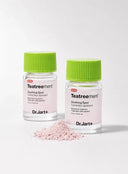
Ctrl+A Teatreement Soothing Spot (15ml)
Regular price
108,00 zł
Sale price
71,00 zł
UP TO 15% OFF AT CHECKOUT

56% OFF
HEIMISH
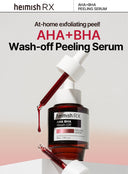
RX AHA BHA Peeling Serum (35ml)
Regular price
116,00 zł
Sale price
51,00 zł
UP TO 15% OFF AT CHECKOUT


⚡TIME DEAL⚡
23% OFF
SOME BY MI
Micro Pin Spot Patch (9pcs)
Regular price
47,00 zł
Sale price
36,00 zł
LIMITED TIME DEAL + UP TO 15% OFF AT CHECKOUT


LOW PRICE
29% OFF
CosDeBAHA
Salicylic Acid 2% Niacinamide 2% Serum 30ml (SS)
Regular price
51,00 zł
Sale price
36,00 zł
UP TO 15% OFF AT CHECKOUT


SOME BY MI
Retinol Intense Reactivating Serum (30ml)
Regular price
133,00 zł
Sale price
126,00 zł
UP TO 15% OFF AT CHECKOUT


BAERRY PICK
Celimax
Ji Woo Gae Cica BHA Blemish Toner Pad (170ml / 60ea)
Regular price
87,00 zł
Sale price
79,00 zł
UP TO 15% OFF AT CHECKOUT


NEW
27% OFF
Dear, Klairs
Blue Youth Activating Drop (50ml)
Regular price
166,00 zł
Sale price
122,00 zł
UP TO 15% OFF AT CHECKOUT


NEW
37% OFF
I'm from
Fig Gelato Pack Cleanser (120g)
Regular price
100,00 zł
Sale price
63,00 zł
UP TO 15% OFF AT CHECKOUT


K-Beauty BHA 101: Salicylic Acid Without the Sting
TL;DR: BHA (salicylic acid) is the K-beauty go-to for blackheads, whiteheads, and clogged pores. Used the wrong way, it leaves your skin red and peeling. K-beauty fixes that by using BHA in gentler formats and pairing it with calming centella. This guide explains what BHA actually does, how to layer it without wrecking your skin, and our two K-beauty BHA picks — a daily heartleaf ampoule and a 2–3-night-a-week 4% salicylic acid serum.
What Is BHA? (More Than Just a Pore Cleaner)
BHA stands for beta hydroxy acid, and salicylic acid is by far the most common one in skincare. The "beta" describes where the hydroxyl group sits on the molecule — and that geometry, plus an aromatic benzene ring, makes salicylic acid oil-soluble (lipophilic). Alpha hydroxy acids like glycolic and lactic stay on the surface because they're water-soluble. BHA dissolves into the sebum lining your pore — which is where the clog actually lives.
The dermatology research credits salicylic acid with four different mechanisms, all running at the same time:
A 12-week split-face trial of 30 subjects with mild-to-moderate acne found that 2% salicylic acid cut comedone counts by 42% versus vehicle control. The American Academy of Dermatology lists salicylic acid as one of the top OTC acne ingredients.
The pH catch: salicylic acid is only active in its protonated form, which means the formula needs to sit at a pH of about 3 to 4 to actually work. A label that says "contains salicylic acid" but formulates above pH 4 will exfoliate noticeably less. Lab Muffin Beauty Science has the full breakdown. The K-beauty serums and ampoules we recommend below are all in the active range.
Key takeaways
AHA vs BHA vs PHA: The Acid Family Cheat Sheet
Korean ingredient lists are full of three-letter acids. Here's the short version of what each one does:
If you want a full deep-dive on the less famous K-beauty ingredients, Into The Gloss has a great explainer on LHA, PHA, bakuchiol, arbutin, and galactomyces.
Salicylic Acid vs Benzoyl Peroxide: Which One Do I Need?
Both treat acne, but they go after different problems:
K-beauty leans toward salicylic acid because it doesn't bleach fabric, doesn't dry your skin out as much, and pairs cleanly with calming ingredients like centella. Benzoyl peroxide is still the right tool when bacteria are the main driver of your breakouts — especially for back acne or deep cystic pimples.
Why Centella Makes Your BHA Routine Work
Centella is the K-beauty calming hero. It cuts the inflammation that BHA can cause and keeps your skin barrier strong while the BHA does its job. Cleveland Clinic dermatology PA Samantha Stein put it directly:
"It's common to add Centella Asiatica to products with harsher actives because it reduces the risk of side effects."
That's why every K-beauty BHA routine should have centella layered around it. For the full story on what centella is and how to use it, head to our centella for the big moment guide.
Build Your K-Beauty BHA Routine
A real BHA routine isn't one hero product, it's a sequence: cleanse the oil, lay down the BHA, hold the line on most nights with a gentler trio-acid layer, hit hard 2–3 times a week with the 4% serum, seal everything with a barrier cream, and give your skin a weekly enzyme reset, a PHA pore mask, and a calming finish for nights it gets reactive. Seven steps. Eight anchor products across five brands. Mix-and-match so the routine actually works on your skin.
Step 1 — Cleanse: dissolve sebum first
Oil cleanse, BHA edition. The Innisfree Volcanic BHA Pore Cleansing Oil uses Jeju volcanic cluster powder plus low-dose BHA to dissolve the day's sebum, sunscreen, and makeup. Oil cleansing first means your treatment serums later actually penetrate — they're not fighting through a layer of leftover SPF. Massage onto dry skin, emulsify with water, follow with your usual foam cleanser.
Try the Volcanic BHA Cleansing Oil →
Step 2 — Daily gentle BHA: the everyday layer
Daily-driver BHA. The Sungboon Editor Red Heartleaf BHA-Lino Relief Ampoule is the gentler everyday pick. It pairs salicylic acid with heartleaf, a calming K-beauty botanical. Use it on your T-zone or anywhere you tend to clog, even daily for most skin types. This is the BHA layer that runs all year long.
Try the Red Heartleaf BHA-Lino Ampoule →
Step 3 — Treatment serum: pick the rung that fits the night
Think of BHA strength as a ladder. Most nights you want the middle rung. Treatment nights you want the top rung. Both belong in the same routine — you just don't use them on the same evening.
The SOME BY MI AHA-BHA-PHA 30 Days Miracle Serum stacks low-dose AHA, BHA, and PHA together with niacinamide and tea tree extract. The multi-acid blend works gentler than a single-acid serum because no one acid carries the whole load. Use across the whole face most evenings if your skin tolerates it.
Try the SOME BY MI Miracle Serum →
Step 4 — Seal: moisturize without re-clogging
Barrier seal. The SOME BY MI AHA-BHA-PHA 30 Days Miracle Cream is the seal step from the same line as the serum — lightweight, niacinamide-supported, and formulated to keep oily and combo skin moisturized without re-clogging the pores you just cleared. Pat over everything as the last step on BHA nights.
Try the SOME BY MI Miracle Cream →
Step 5 — Weekly enzyme resurface
Once a week, swap the acid for enzyme. The Mediheal Phyto-Enzyme Peeling Pad uses fruit-derived enzymes to lift dead surface cells without the sting of another acid layer. Use it on a "rest" night between BHA evenings — especially if your skin is starting to feel tight or papery from the actives. Sweep the textured side, flip to the smooth side, follow with your cream.
Try the Phyto-Enzyme Peeling Pad →
Step 6 — Calm and reset: the 15-minute timeout
When your skin talks back. The Mediheal Tea Tree Essential Face Mask is what you reach for when your skin feels hot, reactive, or post-treatment sore. Tea tree calms blemish-prone skin and the soaked essence rehydrates everything BHA just stripped. No acids, no actives — just calm. Use one any night your skin is talking back.
Try the Tea Tree Essential Mask →
Step 7 — Weekly PHA pore mask: the BHA off-night treatment
PHA, the gentlest acid cousin. The Sungboon Editor Green Tomato NMN Pore Minimizing Ampoule Mask uses PHA (polyhydroxy acid — the third acid from the AHA/BHA/PHA cheat sheet up top) plus green tomato extract and NMN to refine pore appearance without the sting. PHA's larger molecules work the surface gently, so this is the right mask for a BHA "off" night when your skin wants treatment but not another round of BHA. Use 1–2x a week.
Try the Green Tomato NMN Pore Mask →
Your routine, at a glance.
Every night: Step 1 cleanse → Step 2 daily BHA → Step 3 serum (middle rung most nights, top rung 2–3x/week) → Step 4 seal.
Once or twice a week: Step 5 enzyme pad OR Step 7 PHA pore mask in place of your acid serum that night — alternate the two.
Anytime your skin feels off: Step 6 calming mask, drop the actives for the evening.
Who Uses BHA — the Artists Who've Named It
Salicylic acid isn't a niche K-beauty thing. Some of the artists with the cleanest, most camera-ready skin in pop have named it in interviews.
Sunmi has discussed using Mediheal's A-Zero Shot Skin Control Pink Dressing as her go-to spot treatment in beauty press — the active stack is salicylic acid, calamine, and sulfur. Mediheal sits squarely in K-beauty's BHA + tea tree tradition; the Mediheal Phyto-Enzyme Peeling Pad and Tea Tree Essential Mask in the routine above come from the same brand lineage.
BTS members Jungkook and V are widely associated with a toner from the SOME BY MI AHA-BHA-PHA line that pairs BHA (salicylic acid), zinc PCA, and ceramides (per Vogue Singapore). The SOME BY MI serum and cream anchoring this routine come from that same line.
Maddie Ziegler uses Sunday Riley's U.F.O. Salicylic Acid BHA Face Oil for her acne-prone skin (per Marie Claire). The format is different — an oil instead of an aqueous serum — but it's the same active doing the same work on the same kind of skin.
The on-set skin expert for the Barbie film put the protocol most plainly: "Always use salicylic acid and ice... ice reduces the heat and inflammation, then salicylic acid helps unclog the pores."
One honest aside. KATSEYE's Sophia Laforteza has spoken publicly about using Accutane for her acne and building an intensely moisturizing routine around the dryness it caused (per Marie Claire). Cosmetic BHA is powerful, but it isn't prescription medicine. If you've tried a careful BHA + centella routine for three to four months and your acne is still cystic, scarring, or covering large areas, that's a dermatology conversation, not a skincare-aisle one.
How to Layer BHA Without Wrecking Your Skin
The K-beauty rule is simple: calm first, treat second, seal last.
Morning: foam cleanse → centella toner → light hydrator → SOME BY MI Miracle Cream → sunscreen. (Skip BHA in the morning — it makes your skin more sun-sensitive.)
Most nights: Innisfree Volcanic BHA Cleansing Oil → foam cleanse → Sungboon Heartleaf BHA Ampoule on T-zone and congested areas → SOME BY MI AHA-BHA-PHA Serum across the rest of the face if your skin can take it → SOME BY MI Miracle Cream to seal.
Treatment nights (2–3 times a week): Innisfree Volcanic BHA Cleansing Oil → foam cleanse → a few drops of the CosDeBAHA 4% Salicylic Acid Serum on stubborn blackheads and closed comedones (skip the Miracle Serum on these nights — don't stack two treatment serums) → SOME BY MI Miracle Cream over everything to seal.
Weekly deep clean (alternate two options): on one "rest" night between BHA evenings, swap your usual toner step for the Mediheal Phyto-Enzyme Peeling Pad — enzyme resurfacing is gentler than acid resurfacing. On a second rest night that week, run the Sungboon Green Tomato NMN Pore Mask instead — PHA refines pore appearance without the BHA sting. Don't stack both in the same night.
Calming reset: any night your skin feels hot, reactive, or post-treatment sore, drop the actives and run the Mediheal Tea Tree Essential Mask for 15 minutes. No BHA. Just calm.
Notice the calming layer — centella, tea tree, the Miracle Cream's barrier support — runs the whole show. The BHA is the guest, not the host.
Sources:
This post is editorial commentary. Baerry products are cosmetic skincare, not prescription acne treatment. If your acne is cystic, painful, scarring, or covering large areas of your body, please see a dermatologist. References to artists, performers, and on-set experts cite publicly reported interviews; mention does not imply endorsement of Baerry or any specific Baerry product. All trademarks are the property of their respective owners.
FAQ
Pomyśl o sile BHA jak o drabinie z trzema szczeblami. Sungboon Heartleaf BHA Ampoule to najniższy szczebel — na tyle łagodny, że możesz go stosować codziennie na strefie T lub wszędzie tam, gdzie zwykle masz zatkane pory. SOME BY MI AHA-BHA-PHA Miracle Serum to środkowy szczebel — mieszanka kilku kwasów w niskim stężeniu, która sprawdza się jako pielęgnacja „na większość wieczorów”, bo żaden pojedynczy kwas nie działa tu sam. CosDeBAHA 4% Salicylic Acid Serum to najwyższy szczebel — zarezerwowany na 2–3 wieczory zabiegowe w tygodniu, gdy walczysz z uporczywymi zaskórnikami otwartymi i zamkniętymi. Najpierw wprowadź codzienną warstwę pielęgnacji, dodaj środkowy szczebel, gdy skóra się ustabilizuje, a stężenie 4% włącz dopiero wtedy, gdy naprawdę tego potrzebujesz.
Oczyszczanie skóry (purging) pojawia się w miejscach, w których zwykle masz wypryski, przyspiesza wydostawanie się już istniejących zaskórników i ustępuje w ciągu 4 do 6 tygodni. Nowy trądzik pojawia się w miejscach, w których zwykle nie masz wyprysków, nadal się nasila po upływie 6 tygodni i towarzyszy mu stałe podrażnienie. Jeśli twoja sytuacja pasuje do drugiego scenariusza, przejdź na łagodniejszą ampułkę z heartleaf, postaw na centellę i daj swojej barierze ochronnej 2 tygodnie na regenerację.
Wieczorem, zwłaszcza jeśli masz skórę wrażliwą lub skłonną do niedoskonałości. BHA zwiększa wrażliwość skóry na słońce, więc stosowanie go wieczorem (i filtra przeciwsłonecznego następnego ranka) to najprostsze rozwiązanie. Poranek zostaw na cica, nawilżenie i filtr przeciwsłoneczny.
lekkie mrowienie przez kilka sekund to norma. jeśli jednak czujesz wyraźne szczypanie, pieczenie albo zaczerwienienie, które utrzymuje się dłużej niż kilka minut, to znak, że dawka jest za mocna albo twoja bariera ochronna skóry jest już osłabiona. na tydzień lub dwa przejdź na ampułkę z heartleaf, dołóż dodatkową warstwę z centellą i odstaw złuszczanie na bazie aktywnych składników, aż uczucie dyskomfortu minie. potem stopniowo wracaj do swojej rutyny.
Nastoletnia skóra zazwyczaj dobrze toleruje BHA, ale zasada "zaczynaj łagodnie" nadal obowiązuje. Zacznij od ampułki z heartleaf do codziennego stosowania, a nie od serum 4% już pierwszej nocy. Jeśli masz mniej niż 18 lat i sięgasz po produkt z aktywnymi składnikami po raz pierwszy, zrób 24-godzinny test na wewnętrznej stronie przedramienia i skonsultuj się z rodzicem lub dermatologiem, jeśli twoja skóra bywa wrażliwa.
Nie bezpośrednio. Trądzik grzybiczy (fachowo: zapalenie mieszków włosowych wywołane przez Pityrosporum) jest spowodowany przez drożdżaki, a nie przez zatkane pory czy bakterie, dlatego kwas salicylowy nie zabija tych drożdżaków. Jeśli twój „trądzik” to równomiernie rozsiane, swędzące drobne grudki, które nie reagują na BHA, warto skonsultować się z dermatologiem w celu postawienia właściwej diagnozy.
Centella zazwyczaj jest dobrze tolerowana przy egzemie i trądziku różowatym. Z BHA warto zachować większą ostrożność. Jeśli twoja skóra przechodzi akurat zaostrzenie, lepiej całkowicie pomiń BHA. Jeśli skóra jest spokojna, a chcesz zająć się okazjonalnie zatkanymi porami, wybierz najłagodniejszą opcję (ampułkę z heartleaf, tylko na strefę T, co drugi dzień) i obserwuj, czy nie pojawia się ponowne zaczerwienienie. Jeśli masz wątpliwości, skonsultuj się z dermatologiem.
Jeśli zmagasz się z bolesnymi torbielami, wypryskami pozostawiającymi blizny, uporczywym trądzikiem hormonalnym lub zmianami obejmującymi duże obszary ciała, dermatolog może zaproponować rozwiązania wykraczające poza to, co oferuje pielęgnacja kosmetyczna. BHA w K-beauty wspiera kondycję skóry — nie zastępuje leczenia zaleconego przez specjalistę.
Beauty has always been more of an obsession than a hobby for Sophi. As Baerry’s beauty intern, she’s usually the first to know what’s trending, the first to try it, and the one who somehow needs a full hour to do her makeup—even on a work trip. An INFP, cat lover, and unapologetic beauty spender, she’d pick a new lip product over a new outfit any day.